
Tools I carry as a Landscape Photographer
L'attrezzatura dietro l’immagine: ciò che utilizzo come fotografa di paesaggio
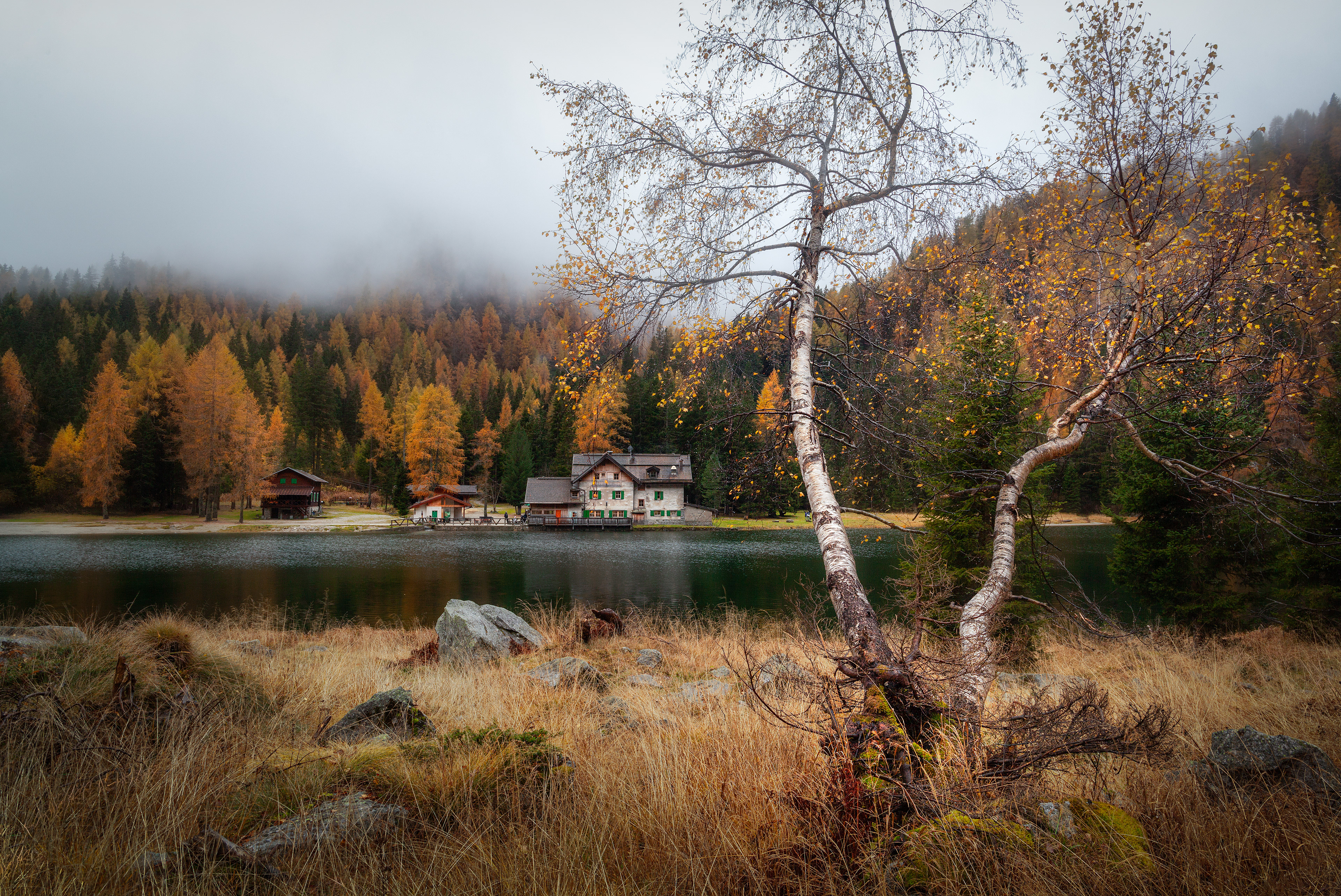
Il mio approccio alla fotografia di paesaggio è radicato nella slow photography. Mi prendo il mio tempo, lavoro in silenzio e rispetto sempre l’ambiente che mi circonda. Che mi trovo in una valle avvolta dalla nebbia all’alba o lungo strade rurali sotto un cielo carico di nuvole, il mio obiettivo non è mai “prendere” una fotografia, ma rispondere a un luogo così come si rivela.
Questo modo di lavorare significa anche allontanarsi dalla costante pressione di possedere l’attrezzatura più recente. Non inseguo le nuove uscite né credo che fotografie migliori derivino da strumenti più nuovi. Al contrario, mi concentro nel conoscere a fondo ciò che utilizzo e nel raggiungere il mio stile fotografico attraverso pazienza e dedizione — uno stile plasmato dall’atmosfera, dalle condizioni meteo e da un profondo legame con il paesaggio rurale.
Gli strumenti che utilizzo non sono scelti perché di moda, ma perché supportano questo approccio più lento e consapevole, soprattutto in condizioni di nebbia e maltempo.
The tools behind the image: What I carry as a landscape photographer
My approach to landscape photography is rooted in slow photography. I take my time, work quietly, and treat the landscape with respect at all times. Whether I’m standing in a mist-filled valley at dawn or walking rural lanes under heavy cloud, my aim is never to “take” an image, but to respond to a place as it reveals itself.
This way of working also means stepping away from the constant pressure to own the latest equipment. I don’t chase new releases or believe that better photographs come from newer gear. Instead, I focus on understanding my tools deeply and using them with patience and dedication to achieve a consistent style — one shaped by atmosphere, weather, and a strong connection to rural landscapes.
The tools I use are chosen not because they are fashionable, but because they support this slower, more mindful way of working, especially in misty and adverse conditions.
Il treppiede: il mio strumento più importante
Se potessi conservare un solo strumento, sarebbe il treppiede.
La luce soffusa della nebbia, il basso contrasto e le scene rurali richiedono spesso tempi di esposizione lunghi. Un treppiede solido mi permette di lavorare con calma, raffinare la composizione e rimanere presente nella scena invece di scattare in modo frenetico.
Con vento, pioggia o su terreni irregolari, la stabilità diventa essenziale. Ma oltre alla nitidezza, il treppiede impone immobilità. Incoraggia l’osservazione attenta e la pazienza — qualità che si sposano perfettamente con la slow photography.
The Tripod: My Most Important Tool
If I could only keep one piece of equipment, it would be my tripod.
Misty light, low contrast, and rural scenes often require slower shutter speeds. A solid tripod allows me to work deliberately, refine my composition, and remain present with the scene rather than rushing from shot to shot.
In wind, rain, or uneven ground, stability becomes essential. But beyond sharpness, the tripod enforces stillness. It encourages careful observation and patience — qualities that align naturally with slow photography.

La staffa a L: a supporto di una composizione consapevole
Una staffa a L può sembrare un’aggiunta marginale, ma svolge un ruolo importante nel mio modo di comporre le immagini.
Molti paesaggi rurali si prestano a composizioni verticali: alberi che scompaiono nella nebbia, strade tortuose, colline sovrapposte che svaniscono all’orizzonte. La staffa a L mi consente di passare dall’orientamento orizzontale a quello verticale senza compromettere l’equilibrio o l’inquadratura, mantenendo la fotocamera centrata sul treppiede anche su terreni difficili.
È uno strumento discreto, ma fondamentale per una composizione meditata.
The L-Bracket: Supporting Thoughtful Composition
An L-bracket may seem like a small addition, but it plays an important role in how I compose images.
Many rural scenes lend themselves to vertical compositions: trees disappearing into fog, winding lanes, or layered hills fading into mist. An L-bracket allows me to switch orientation without compromising balance or composition, keeping the camera centred over the tripod even on uneven ground.
It’s a quiet tool, but one that supports thoughtful framing rather than hurried adjustments.


Telecomandi e timer remoti: lavorare senza interferenze
I timer remoti mi permettono di lavorare riducendo al minimo le interferenze.
In condizioni di nebbia e con esposizioni lunghe, anche la più lieve vibrazione può compromettere l’immagine. Utilizzare un telecomando mi consente di scattare senza toccare la fotocamera, riducendo i movimenti e preservando l’integrità del momento.
Sono particolarmente utili quando il meteo cambia rapidamente, nebbia che si muove, nuvole che si aprono, permettendomi di concentrarmi sul tempo e sull’atmosfera piuttosto che sulla tecnica.
Il timer integrato nella fotocamera: semplicità sul campo
Quando voglio viaggiare leggero o lavorare in modo essenziale, utilizzo il timer integrato della fotocamera.
Offre lo stesso vantaggio del telecomando nel ridurre le vibrazioni, senza la necessità di accessori aggiuntivi. In condizioni fredde, umide o ventose, la semplicità è fondamentale. Meno attrezzatura significa meno distrazioni e una maggiore connessione con il paesaggio, nel pieno rispetto dell’ambiente.
Remote Timers: Working Without Disturbance
Remote timers help me work with minimal intrusion.
In misty conditions and longer exposures, even slight vibrations can affect an image. Using a remote allows me to trigger the shutter without touching the camera, reducing movement and helping maintain the integrity of the moment.
They’re particularly useful when weather is shifting quickly — fog drifting, clouds breaking — allowing me to focus on timing and atmosphere rather than the mechanics of the camera.
Inbuilt Camera Timers: Simplicity in the Field
When I want to keep things simple, I rely on the camera’s built-in timer.
It offers the same benefit as a remote in reducing camera shake, without extra equipment. In cold, wet, or windy conditions, simplicity matters. Fewer accessories mean fewer distractions, helping me stay focused on the landscape and respectful of the environment I’m working in.

Il filtro polarizzatore: controllo delicato dell’atmosfera
Il filtro polarizzatore è una presenza costante nel mio zaino, soprattutto nei paesaggi rurali dopo la pioggia.
Campi bagnati, fogliame, acqua e muri in pietra possono produrre riflessi intensi. Il polarizzatore aiuta a controllarli, ad approfondire i toni e a valorizzare le texture senza alterare l’atmosfera naturale della scena.
In presenza di nebbia lo utilizzo con molta attenzione. L’obiettivo non è eliminare l’atmosfera, ma bilanciare delicatamente il contrasto preservando la morbidezza che rende questi momenti così suggestivi.
Polarising Filters: Subtle Control in Changing Light
A polarising filter is a regular part of my kit, especially in rural settings after rainfall.
Wet fields, foliage, water and stone surfaces can produce strong reflections. A polariser helps control these, deepen tones, and reveal subtle textures without overpowering the natural mood.
In misty conditions, I use it sparingly. The aim is never to remove atmosphere, but to gently shape the light while preserving the softness and quiet that define these scenes.


I filtri ND: lasciare che il tempo entri nell’immagine
I filtri a densità neutra mi permettono di lavorare con esposizioni più lunghe, introducendo un senso del tempo e del movimento nell’immagine. Sono particolarmente efficaci in condizioni meteorologiche difficili, rendendo più morbide le nuvole in rapido movimento, ammorbidendo l’acqua e portando calma in scene altrimenti turbolente.
In combinazione con nebbia e nubi basse, le lunghe esposizioni aiutano a trasmettere come ci si sente a trovarsi in questi luoghi, non solo come appaiono. Il filtro a densità neutra (ND) è uno di quegli strumenti che dovrebbe trovarsi nella borsa di quasi ogni fotografo, eppure rimane per molti qualcosa di misterioso, con incertezze su come, quando e dove utilizzarlo.
Controllando la quantità di luce che entra nella fotocamera, i filtri ND permettono di evitare la sovraesposizione, ridurre il contrasto e creare un’atmosfera fluida e morbida.
ND Filters: Letting Time Play Its Part
Neutral density filters allow me to work with longer exposures, introducing a sense of time and movement into the image. They are especially effective in challenging weather, smoothing fast-moving clouds, softening water, and bringing calm to otherwise unsettled scenes.
When combined with mist and low cloud, long exposures help express how it feels to stand in these places, not just how they appear. The neutral density (ND) filter is one of those tools that belongs in almost every photographer’s camera bag, yet it remains something of a mystery to many, with uncertainty around how, when, and where to use it.
By controlling the amount of light entering the camera, ND filters make it possible to avoid overexposure while reducing contrast and creating a fluid, soft atmosphere.

Conclusione: Attrezzatura al servizio della pazienza e del luogo
Questi strumenti di fotografia non servono a raggiungere la perfezione tecnica né a inseguire continui aggiornamenti.
Esistono per sostenere la pazienza, la dedizione e il rispetto per il paesaggio. Lavorando lentamente, comprendendo a fondo la mia attrezzatura e accettando condizioni difficili, riesco a creare immagini che riflettono il mio rapporto con i luoghi rurali e con il meteo che li modella.
Alla fine, la fotografia non riguarda l’avere l’attrezzatura più nuova, ma l’essere presenti, fermarsi e concedere al paesaggio il tempo che merita.
Tools in Service of Patience and Place
These tools are not about technical perfection or constant upgrades. They exist to support patience, dedication, and respect for the landscape.
By working slowly, understanding my equipment, and embracing challenging conditions, I’m able to create images that reflect my relationship with rural places and the weather that shapes them.
In the end, photography isn’t about having the newest gear — it’s about showing up, standing still, and allowing the land the time it deserves.
Alla prossima, grazie di aver letto il mio blog!
Until the next one, thank you for reading my blog!
© ADRIANA BENETTI LONGHINI (Tutti i diritti riservati)
Le fotografie presenti in questo sito, e in qualsiasi altro sito appartenente al dominio adrianabenettilonghini.com, sono proprietà di Adriana Benetti Longhini e sono protette dalle leggi internazionali sul diritto d’autore. Tutti i diritti d’autore, i marchi e gli altri diritti di proprietà intellettuale presenti su questo sito sono di proprietà di Adriana Benetti Longhini.
Tutte le fotografie su www.adrianabenettilonghini.com sono protette da copyright.
Le fotografie presenti in questo sito, e in qualsiasi altro sito appartenente al dominio adrianabenettilonghini.com, sono proprietà di Adriana Benetti Longhini e sono protette dalle leggi internazionali sul diritto d’autore. Tutti i diritti d’autore, i marchi e gli altri diritti di proprietà intellettuale presenti su questo sito sono di proprietà di Adriana Benetti Longhini.
Tutte le fotografie su www.adrianabenettilonghini.com sono protette da copyright.
© ADRIANA BENETTI LONGHINI (All rights reserved)
The photographs contained on this, and any other site under the adrianabenettilonghini.com domain, are the property of Adriana Benetti Longhini and are protected by International copyright laws. All copyright, trademark, and other intellectual property rights in this site, are the property of Adriana Benetti Longhini.
All Photographs on www.adrianabenettilonghini.com are copyrighted.


